Activities to consider with the tools and equipment.
For some companies that have completed a contract or project, whether for work or services, there are urgent administrative adjustments that they have to make to reduce or eliminate additional expenses that affect the profitability of that contract: Unforeseen expenses.

A good practice is to schedule a meeting with all parties involved in the contract and establish the necessary resources to be allocated before, during, and after the contract. This includes scheduling and identifying key dates so everyone is aware of the activities they will need to perform. A meeting should also be held 30 days before the contract's expiration to ensure all stakeholders are aware of important aspects that must be monitored.
The most frequent adjustments that occur due to a lack of planning are: reducing or eliminating the workforce, canceling purchases and all kinds of expenses months before the contract ends; which creates a certain risk for the termination of the contract.
In some contracts or projects, the time comes when additional space must be allocated to the general warehouse for the storage and safekeeping of the resources used; however, this generally causes discomfort due to the control and justification that must be carried out, and the owner, director, or manager of the company may have the following questions.
Who will organize and inventory everything that remains of the contract?
Who will maintain the tools and equipment?
Who will validate the reuse of materials or supplies?
You may think at this point that this is not a problem since it should have been considered in the planning, so there shouldn't be any setbacks at the end of a contract, but they do exist and it's common.
To illustrate what happens without planning, the following questions arise:
Who has the inventory?
Who is responsible for the contract?
Where will the tools, equipment, and materials be stored?
Who will take care of all this now?
Due to a lack of planning and foresight, a company can suffer significant harm by neglecting the follow-up of activities that result from the termination of a contract, as tools, equipment, and materials may be reused or assigned to other contracts.
It is important to consider that due to a lack of communication with the staff who still have direct or indirect responsibility for the contract, they may end up making decisions regarding "what to do" with these "surpluses," which can cause a problem or administrative fault for the company or the contract.
In the scenario where there is planning, the following applies:
Within the contract budget, among other items, it is recommended to include the following items upon contract termination:
- Maintenance of tools and equipment
- Personnel for handling materials, tools, and equipment
- Personnel for inventory of materials, tools and equipment
- Person assigned to maintain traceability during the term of the contract
These concepts may seem obvious, but in reality, if you have limited resources during or at the end of the contract and if you don't have the necessary staff and means, your company will accumulate surpluses, impacting the availability of space and savings in future purchases.
There are alternatives in the national market for asset preservation, which can be useful if your goal is to reduce the purchase of tools and equipment.
Planning is your best tool when you have: limited resources or unlimited resources; it depends on you, your goals and objectives and can be implicit in the processes of your Quality Management System.
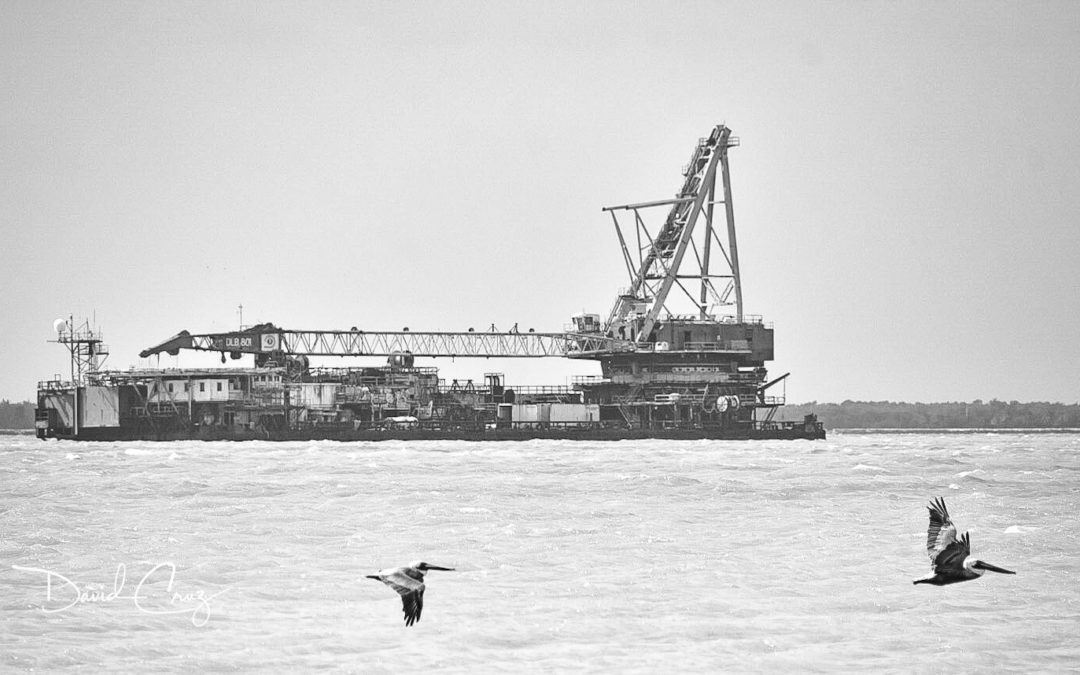
Photo: Boardwalk of Ciudad del Carmen, Campeche. @ David Cruz
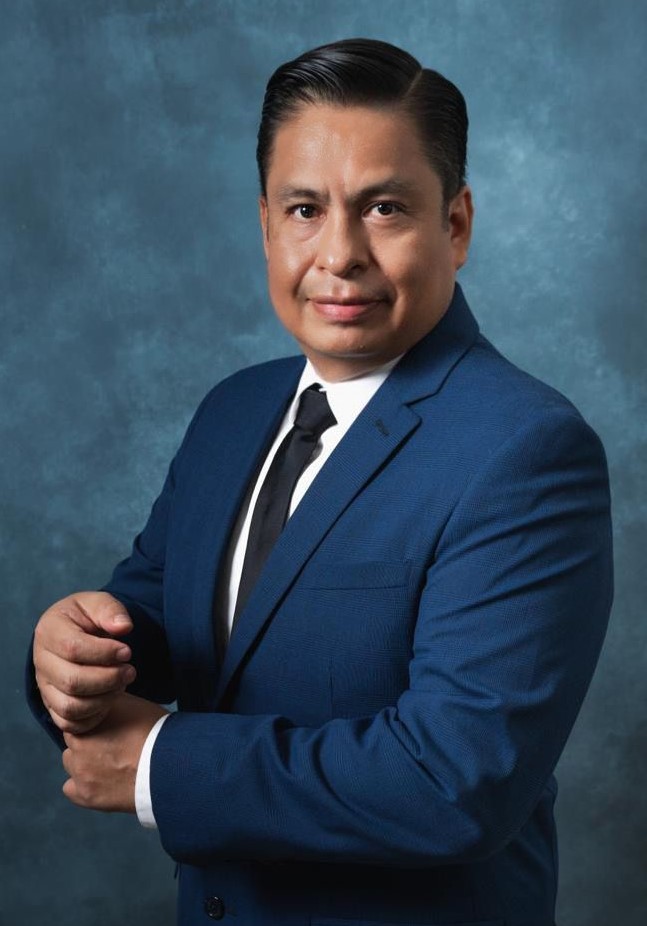
Consultant and Operations Management Specialist. With over 25 years of experience in the industrial and energy sectors, he has collaborated with business owners in the analysis, planning, negotiation, marketing, administration, and execution of service and maintenance projects.
He has provided executive consulting to board presidents and senior management for strategic decision-making in participating in bidding projects, as well as in the analysis and improvement of their management, operations and industrial safety processes.
If you want to improve and optimize your projects, together we can find the best solution for your industrial needs and ensure your projects are a success.